

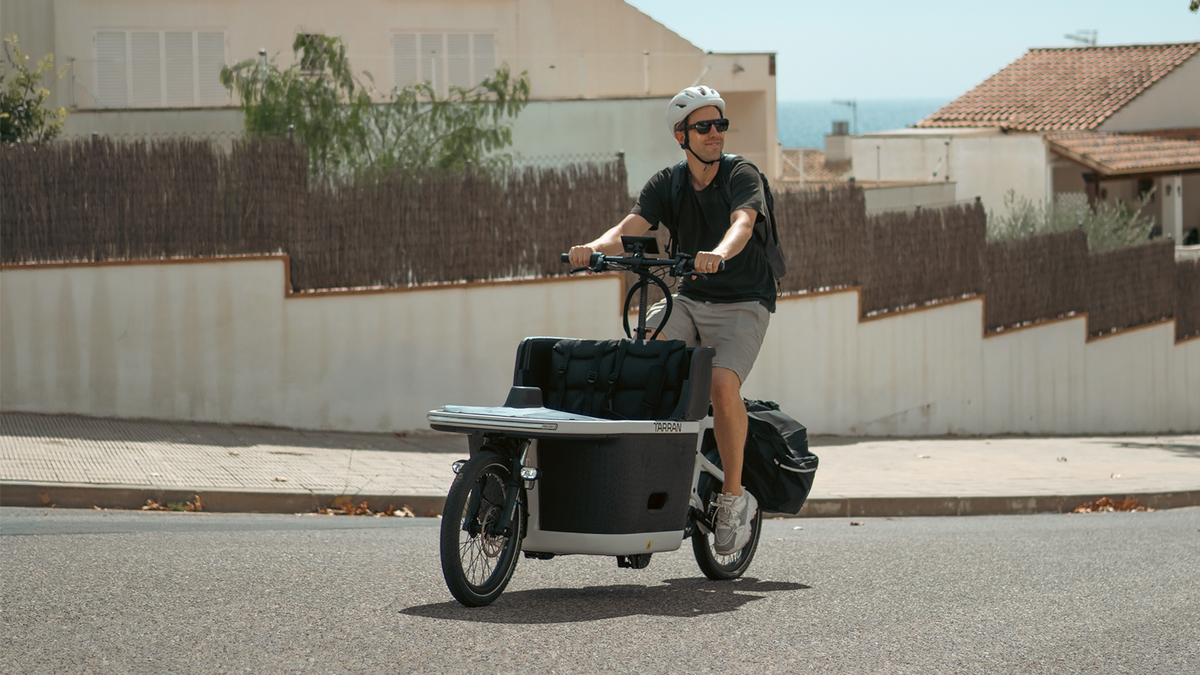
Frost blankets the cobblestones of Munich and Amsterdam as winter arrives. Cycling remains a sturdy choice for urban transport despite the chill. Riding an e-bike allows commuters to circumvent traffic while enjoying crisp air. Success relies on preparation and proper gear to keep journeys safe during the coldest months of the year.
Preparing Your E-bike With Weather Protection for Freezing Temps.
Winter days in Europe bring limited daylight and unpredictable visibility. In Germany, the legal code known as StVZO provides a strict framework for safety on the road. Every e-bike with weather protection needs a white front lamp capable of illuminating the path without blinding oncoming drivers. High-quality lamps often reach ratings of thirty Lux or higher for city use. A steady red lamp at the rear remains a requirement to notify others of your presence. Flashing patterns stay illegal on public streets.
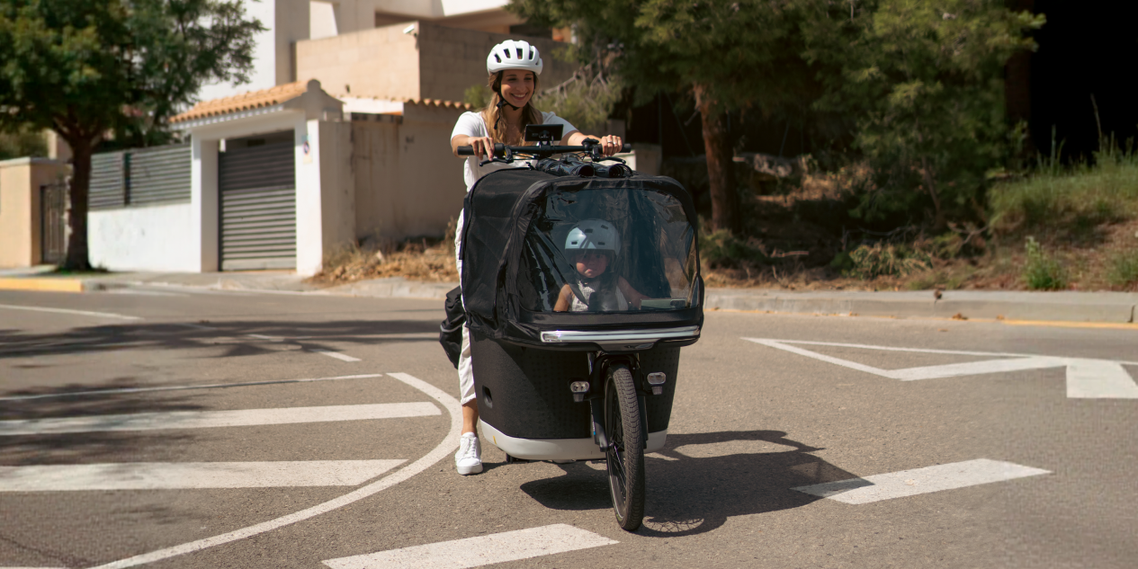
Braking systems encounter unique stress as the mercury drops. Hydraulic fluid in an electric cargo bike can thicken, which results in a slower response from the levers. Confirming the functionality of the pads and rotors before every trip is a vital safety habit. Moisture inside the cable housing often freezes, locking the gears in place. A heavy coat of cold-resistant grease prevents water from entering the tubes. Adding a rain canopy or a protective box cover transforms a standard frame into an e-bike with weather protection. Such accessories shield children and groceries from the freezing rain that often precedes a snowfall. Mechanical checks should also include the drivetrain. Applying a thick lubricant specifically for wet weather creates a barrier against the slush. Confirming that all bolts remain tight is important, as constant expansion and contraction from temperature changes can loosen the hardware over time.
Battery Care: Maximizing Range in the Cold.
The lithium-ion heart of your cycle depends on chemical movement to provide power. Cold weather affects the internal electrolyte, turning it thick like syrup. Such a condition increases resistance and reduces the total distance the motor can assist the rider. Range drops of twenty to forty percent are common when the thermometer falls below zero.
- Store the battery in a climate-controlled room where the temperature stays above fifteen degrees Celsius.
- Wait to install the power pack until the exact moment the journey begins.
- Avoid charging any cell that feels cold to the touch to prevent permanent damage.
- Keep the charge level between fifty and seventy percent if the bike remains idle for weeks.
- Apply an insulated neoprene sleeve to the frame to trap heat during the ride.
- Pedal with a steady cadence of seventy revolutions per minute to generate internal system warmth.
Charging a frozen battery presents a significant risk. Forcing current into cold cells leads to lithium plating on the anode. Such damage remains permanent and shortens the lifespan of the equipment. If the bike was parked in a cold garage, bring the battery inside for two hours before plugging it into the wall. Using lower assistance modes on flat roads prevents the voltage from dropping too fast. High-power modes draw more current, which can trigger a system shutdown if the battery is struggling with the frost. It is often wise to carry a second battery in a thermal bag for long commutes across the city. Through careful management, the power system stays healthy until the spring thaw arrives.

Tires: Winter Treads for the Electric Cargo Bike.
Grip remains the most critical factor for stability on icy lanes. Standard rubber loses its flexibility below seven degrees Celsius, which causes a loss of friction on the road. Winter-specific tires utilize special silica compounds to stay soft in the frost. An electric cargo bike carries significant weight, which increases the pressure on the rubber and necessitates a specialized tread pattern.
- Install studded tires if your route frequently features patches of hidden black ice.
- Reduce the air pressure slightly to widen the contact patch with the ground.
- Check the sidewall for a mountain or snowflake symbol to confirm winter certification.
- Remove small stones and road grit from the tread patterns weekly to avoid flats.
- Select wider tires for better support when navigating through fresh slush or deep snow.
- Verify that the tire pressure stays within the manufacturer’s recommended range for safety.
Deep treads help the tire "bite" into the snow rather than sliding on top of it. In many northern regions, metal studs provide the only reliable way to stop on a sheet of ice. While a narrower tire can cut through fresh powder to reach the pavement, a wide tire offers better balance for a heavy load. Frequent checks of the air pressure are necessary because the cold air inside the tube contracts, lowering the PSI. A properly inflated tire prevents rim damage and maintains the efficiency of the motor. Stability on a cargo bike is paramount, as the longer wheelbase requires more predictable traction when turning.
Dressing for the Ride: Layers and Gloves.
Regulating body temperature is a science of moisture management. The rider should follow the layering strategy to stay dry and warm. A base layer made of synthetic fibers or merino wool pulls sweat away from the skin. Cotton is a poor choice because it absorbs water and stays cold. A middle layer provides insulation by trapping a thin pocket of air. The outer jacket must be windproof and waterproof to block the harsh European winds that sweep through the streets.
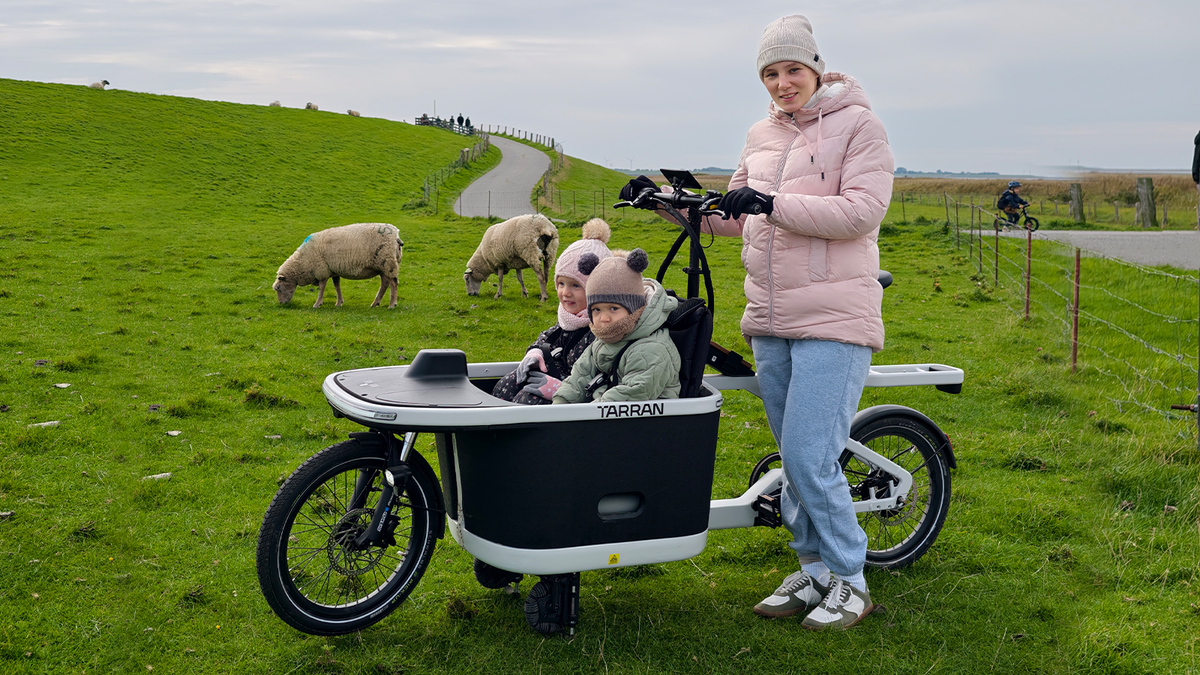
The TARRAN T1 Pro stands out for all-season commuting. Its Dynamic Dualdrive™ landing gear maintains balance on slick stops, while 100Nm of torque conquers snowy hills. Safety improves with an integrated 1080P camera and rear radar alerts. The EPP cargo bike box even includes a power outlet for electric blankets, keeping passengers cozy. With dual batteries totaling 1.4kWh (the second battery is sold separately) and a Gates Carbon Drive CDX™, the TARRAN T1 Pro remains a premium, low-maintenance choice for the modern adult cyclist.
Gloves are essential, but bulky mittens can hinder the operation of the brakes. Bar mitts or "pogies" are a superior choice for many riders. Such large, insulated covers stay on the handlebars, allowing the use of thinner gloves for better dexterity. Protecting the head is also vital to prevent heat loss. A thin cap under the helmet covers the ears without blocking the sounds of traffic. High-visibility colors or reflective strips on the jacket increase safety during the long winter nights. Staying warm and visible allows for a confident ride regardless of the thermometer reading.
Cleaning Salt and Grit From Your Ebike.
Road salt serves a purpose for cars but acts as a silent poison for bicycles. The salt forms an electrolyte that accelerates the oxidation of the metal. If the salt stays on the frame, it creates pits in the aluminum and rust on the steel bolts. The drivetrain is especially vulnerable, as the grit combines with oil to create a grinding paste that wears down the gears.
Cleaning the e-bike after a salty ride is the best way to preserve the investment. Use a bucket of warm water and a soft cloth to rinse the drivetrain and the frame. High-pressure sprayers are dangerous because they force salt and water into the sealed bearings of the motor. Once the cycle is clean, wipe it dry with a towel to prevent ice from forming in the moving parts. Such a routine takes only a few minutes but saves hundreds of Euros in repair costs.
Lubrication provides a final protective barrier against the elements. A "wet" lubricant is thicker and resists being washed away by melting snow. Apply the oil to each link of the chain and wipe away the excess to prevent the buildup of grit. Checking the brake pads is also necessary, as the grit from the road acts like sandpaper and wears the pads down much faster than in the summer. For those with a belt drive, a simple rinse is usually enough to clear the sand from the sprockets. A clean and lubricated cycle stays reliable and silent even in the harshest conditions.

Summary Winter e-bike maintenance and commuting
Winter cycling is an empowering experience when the rider respects the elements. Proper maintenance of the battery and tires keeps the e-bike reliable. High-quality clothing and a well-protected electric cargo bike turn the cold commute into a pleasant journey. Through consistent care and smart choices, urban mobility remains accessible year-round. Riding through the frost is not just possible; it is a way to stay connected to the city throughout the season.

Leave a comment
This site is protected by hCaptcha and the hCaptcha Privacy Policy and Terms of Service apply.