

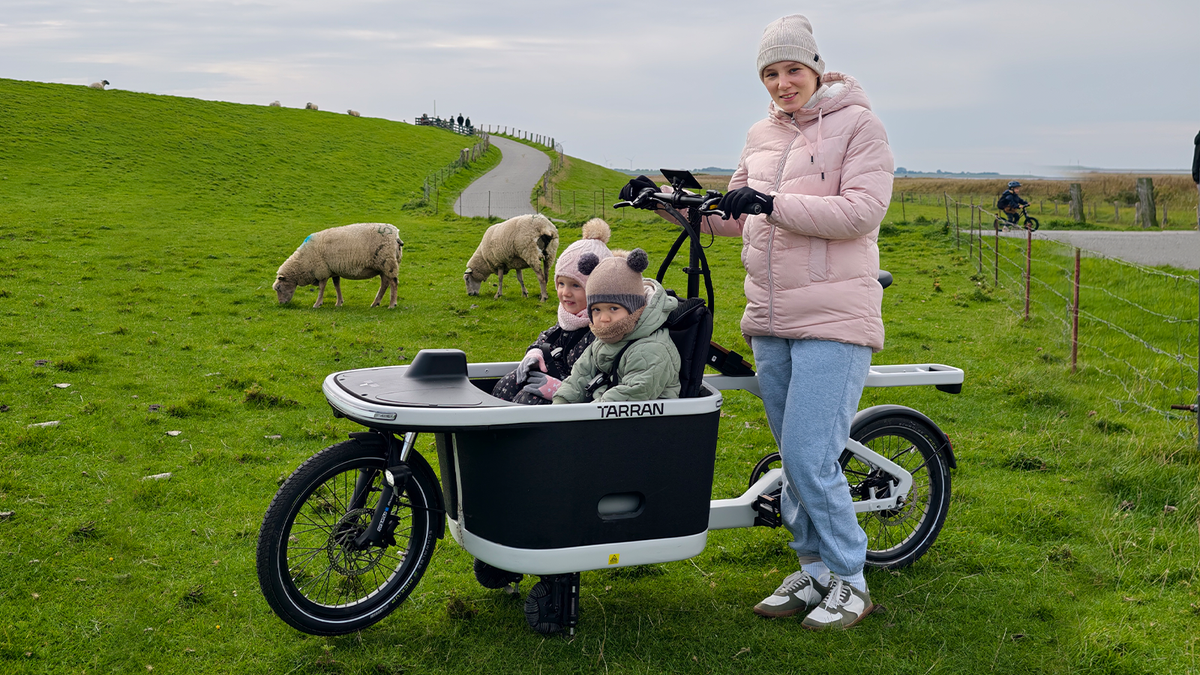
European city centers see a major shift as quiet, clean streets replace noisy traffic jams. Modern parents often look for better ways to move children and groceries. The rise of specialized electric vehicles provides an answer for many households. Such machines turn a simple trip into a moment of pure family joy.
What Distinguishes a Front-Load Cargo Bike?
The unique look of a front load cargo bike catches everyone’s attention. These cycles place a large wooden or foam box between the rider and the front wheel. In the Netherlands, people call them "Bakfiets," a name that means "box bike." That design choice moves the weight low and forward, which creates a very stable platform for heavy items. Unlike a standard bicycle where passengers sit behind the rider, a front cargo bike puts everything in the center of the action. The length of the frame sets it apart, often reaching over two and a half meters to accommodate the spacious storage area.
The frame of such a vehicle is typically much longer than a normal cycle. High-quality aluminum or steel forms the skeleton, providing the strength to carry up to 220 kilograms of total weight. Aluminum keeps the frame light and resists rust, while steel offers a smooth ride over the cobblestone streets found in cities like Munich or Amsterdam. The structural integrity of these frames allows for the safe transport of heavy loads across uneven terrain without compromising the performance of the bike.
Steering a vehicle with the wheel so far away requires a clever mechanical system. Two main types exist: rod steering and cable steering. Rod steering uses a solid metal arm to connect the handlebars to the front fork. It is simple, strong, and lasts a long time with little care. Cable steering utilizes a pair of high-tension wires. That system allows for a much tighter turning circle. Some models can turn the front wheel up to 90 degrees, which helps when navigating tight corners or narrow parking spots. The choice of steering often depends on whether the rider prefers the mechanical simplicity of a rod or the extreme agility of cables.
The cargo box itself is the heart of the bike. Many modern brands use Expanded Polypropylene (EPP) foam. That material is the same stuff used in high-quality motorcycle helmets. It is lightweight, stays warm in winter, and absorbs impacts if the bike hits a bump. Other boxes use bamboo or marine-grade plywood for a classic, natural look. Each material serves to protect the passengers while keeping the overall weight manageable. High side walls on these boxes offer a sense of enclosure and security for toddlers who might feel exposed on a regular seat.
Riders also appreciate the specialized kickstand. Most models feature a wide, dual-leg stand that lifts the front wheel slightly off the ground. That feature keeps the bike perfectly upright when stopped. Children can climb in and out without the cycle tipping over. Parents find that loading heavy grocery bags becomes a simple task when the bike stands on its own. Such stability provides a level of convenience that traditional bicycles simply cannot provide, especially during the hectic moments of a morning school run.
Keeping Your Eyes on the Kids
Safety remains the top priority for any family cargo bike owner. The biggest benefit of the front-loading design is visibility. The rider monitors every move of the children without ever looking away from the road ahead. You can see if a helmet is loose or if a child dropped a toy instantly. That constant visual contact provides peace of mind that a rear-loading bike cannot match. Because the children sit in front of the handlebars, they remain within the protective "zone" of the rider's arms and the sturdy box.
That visual connection supports a healthy relationship between parent and child. Researchers at Harvard University talk about "serve and return" interactions. When a child points at a passing tram or a colorful bird, the parent responds immediately. Sharing the same view creates a rich environment for learning and bonding. The ride to school becomes a conversation rather than a quiet trip with the child staring at the parent’s back. This interaction helps with language development and emotional security, turning travel into a developmental opportunity.
Inside the box, children sit on padded benches with secure belts. Most high-end models feature three-point or five-point harnesses similar to those in a car. These straps keep kids firmly in place during sudden stops. Many boxes also include a "roll cage" or high side walls. Those features act like a protective shield, keeping small hands and feet away from the wheels and the road. Such design elements transform the bike into a mobile safety cell for the most precious cargo.
Strong brakes are essential when carrying a heavy load. A high-performance cargo e-bike uses hydraulic disc brakes. These systems provide massive stopping power with very little effort from the rider’s fingers. Unlike traditional rim brakes, hydraulic discs work perfectly in wet or snowy weather. That reliability is vital for families in Germany who ride throughout the year. The ability to stop a 200-kilogram load safely on a downhill slope is a fundamental requirement for any serious e-bike with cargo.
Visibility for other road users is another key safety point. Integrated LED lights draw power from the main battery. Many models include bright headlights, rear brake lights, and even turn signals. Those lights help cars and pedestrians see the large bike from a distance, even in the dark or during rain. Reflective strips on the tires and the box further enhance that security. These features work together to create a vehicle that is as visible and predictable as a small car, yet as agile as a bicycle.

Low Center of Gravity
Balance is often the first concern for new riders. A front cargo bike looks long and heavy, which leads some to think it might be hard to ride. However, the physics of the design actually helps the rider stay upright. Placing the cargo box low between the two wheels lowers the center of gravity significantly. When the weight sits close to the ground, the bike feels much more stable and "planted." This low-slung weight distribution reduces the effort needed to keep the bike upright at low speeds.
In a turn, a low center of gravity reduces the "tipping" sensation. The bike resists leaning too far, which gives the rider more confidence. Even when the box is full of heavy groceries or two active children, the bike remains steady at low speeds. Long wheelbases also help keep the ride smooth. The length of the frame absorbs vibrations from the road, providing a calm experience for the passengers inside. Such stability is especially noticeable when navigating the narrow, winding paths of historic European towns.
Tire choice also plays a role in stability. Many cargo bikes use wide, puncture-resistant tires. Those tires have a larger contact area with the pavement, which increases grip. On wet roads or slippery cobblestones, that extra traction keeps the bike from sliding. Some models even use a smaller front wheel, like a 20-inch size. That smaller wheel allows the box to sit even lower to the pavement, further improving the balance. These specialized tires are designed to handle the high pressures required to support heavy passenger loads.
A stable bike is also a predictable bike. When the rider needs to dodge a pothole or a sudden obstacle, a low center of gravity allows for quick, controlled movements. The bike does not feel top-heavy or wobbly. That predictability is essential in busy European cities where traffic moves quickly. Feeling in control of a 220-kilogram vehicle allows the rider to relax and enjoy the journey. This sense of security encourages parents to take the bike for longer trips that they might otherwise have done in a car.
The distribution of weight between the wheels is carefully calculated by engineers. By placing the cargo box centrally, the bike maintains a neutral balance. The front wheel stays firmly in contact with the ground, providing reliable steering grip even during heavy acceleration from a motor. Such a balance is a hallmark of the front-loader design, as it avoids the "light" front-end feeling that can affect rear-loading bikes when heavily packed.
Handling Heavy Loads With an E-Bike With Cargo.
Carrying a heavy load requires a lot of force, especially when starting from a red light or climbing a hill. That is where the electric motor of a cargo e-bike shines. Most of these cycles use "mid-drive" motors located at the pedals. Those motors utilize the gears of the bike to multiply their power. That system makes a fully loaded bike feel as light as a feather once the rider starts pedaling. The assistance level can be adjusted to match the terrain, providing a "boost" whenever the road tilts upward.
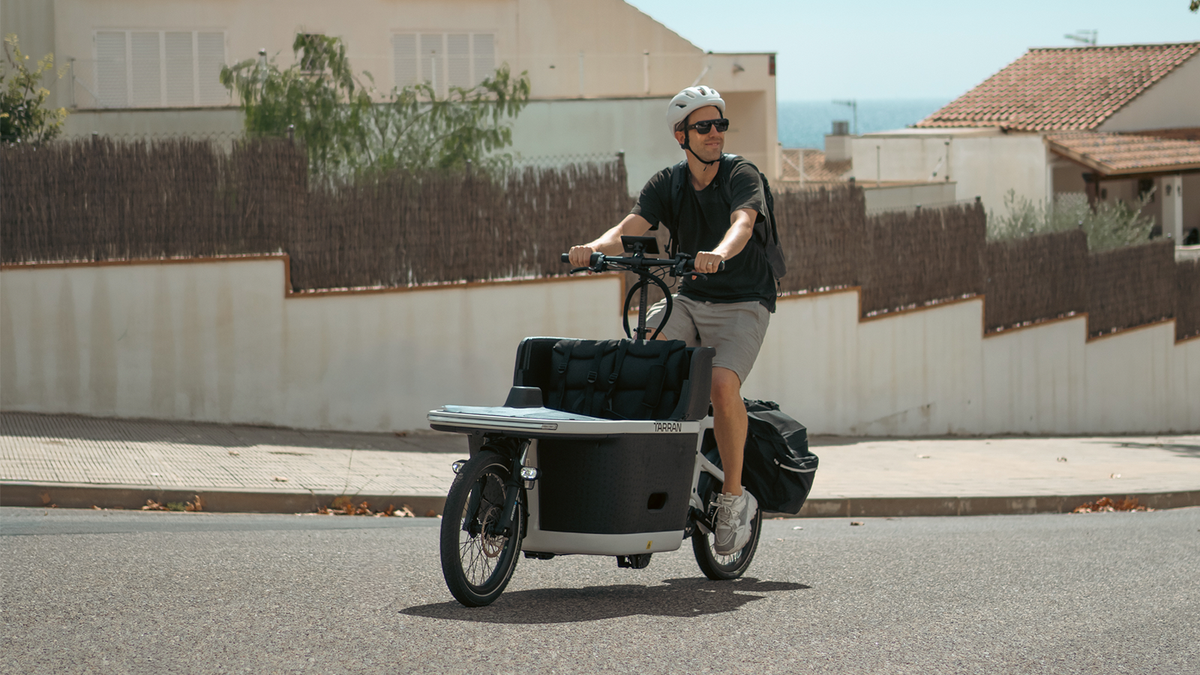
The TARRAN T1 Pro serves as a prime example of high-tech family mobility. It features the Dynamic Dualdrive Landing Gear system, which maintains balance during stops and loading through automatic support wheels. A powerful mid-drive motor provides 100Nm of torque for steep hills, while the dual-camera system confirms total road awareness. The cockpit uses the smart TarranOS to provide navigation and collision alerts. With space for two children and a total load capacity of 220 kilograms, such a vehicle offers a sustainable, safe way to navigate European city streets.
Motor power is often described in "torque," measured in Newton-meters (Nm). For a family cargo bike, a motor with 85 Nm to 100 Nm is ideal. That high torque allows the rider to accelerate smoothly even with a heavy cargo box. High-capacity batteries provide enough energy for long trips across the city. Many families find they can ride for several days on a single charge, covering school runs and shopping trips with ease. Some models even offer a dual-battery setup to double the range for weekend adventures.
Modern drivetrains also simplify the experience. Many owners choose a carbon belt drive instead of a traditional metal chain. A belt is quiet, clean, and never needs oil. It will not rust in the rain and lasts much longer than a chain. When paired with an internal gear hub, the rider can shift gears while standing still. That is a game-changer when an e-bike with cargo is stopped at the bottom of a steep hill. These components reduce the time and money spent on maintenance throughout the year.
Payload capacity is a major benefit. A high-quality cycle can often carry a total of 200 to 220 kilograms. That is enough for two children, a week of groceries, and a backpack for the rider. The large box allows for bulky items like bags of soil, furniture, or even a Christmas tree. That versatility is what makes these bikes a true car replacement for urban dwellers. The ability to haul heavy freight without the stress of parking a van makes the cargo bike the ultimate tool for city living.

Summary: Cargo e-bikes enable car-free living
The front-load cargo bike offers a powerful path toward a car-free life. It combines safety, stability, and the ability to carry heavy loads effortlessly. High-torque motors and low centers of gravity allow such vehicles to handle urban challenges with ease. Families across Europe now embrace the family cargo bike as a fun, sustainable solution. Choosing a cargo e-bike means reclaiming time and creating a cleaner environment for future generations.
FAQs about cargo e-bikes for families
How Many Children Can a Front-Load Cargo Bike Carry?
Most standard models carry two children on a padded bench with harnesses. Some larger versions provide space for up to four children by adding a second bench or using a wider box. Always check the maximum weight limit of the box to confirm a safe ride for everyone.
Is It Hard to Steer a Cargo E-Bike?
The first few minutes feel different because the front wheel is far away, but most people adapt within an hour. Models with cable steering offer a tighter turn, which helps in small spaces. Once the bike is moving at a walking pace, the balance feels very natural and easy to control.
Are There Subsidies for Cargo Bikes in Germany?
Yes, many German cities and the federal government offer grants called "Lastenrad-Förderung." Families can often receive between €600 and €1,100 back from the city. Businesses may receive even more. Always apply for the grant before buying the bike to guarantee you get the money.
Can a Cargo Bike Completely Replace a Car?
For most daily tasks like school runs and grocery shopping, a high-quality cargo e-bike is a complete replacement. It avoids traffic, requires no parking fees, and carries up to 220 kilograms. Many families keep one car for long trips and use the bike for everything else.
Is It Safe to Carry a Baby in a Front Cargo Bike?
Front loaders are excellent for infants because you can attach a specialized car seat adapter inside the box. That allows babies to ride safely from a very young age, often as early as three months. The low position and sturdy box walls provide a very secure environment compared to other options.

Leave a comment
This site is protected by hCaptcha and the hCaptcha Privacy Policy and Terms of Service apply.