

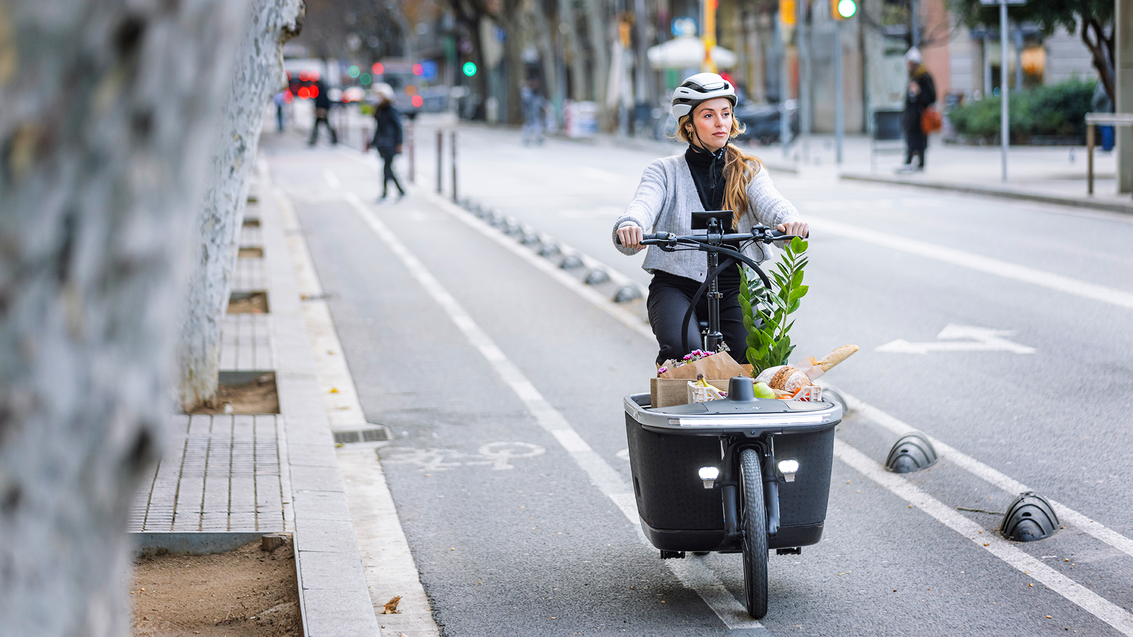
Modern European cities see a massive shift toward sustainable transport as families swap cars for versatile cycles. Choosing the perfect electric cargo bike requires us to better understand how different frame designs impact daily life. These powerful machines handle school runs and heavy shopping trips with ease, providing a quiet, efficient alternative to traditional vehicles on busy urban streets.
Key Differences Between Long-Tail vs. Front-Loader Electric Cargo Bikes
Differences start at the frame and extend to the very feeling of the ride.
Structural Design and Frame Geometry
A longtail cargo bike appears very similar to a standard bicycle that has undergone a significant stretching process. The frame extends behind the rider, creating a long rear rack that serves as the primary hauling zone. That design maintains a slim profile, usually no wider than standard handlebars, allowing the rider to slip through narrow gaps and utilize traditional bike racks. The wheelbase remains longer than a typical commuter bike but significantly shorter than most box-carrying models.
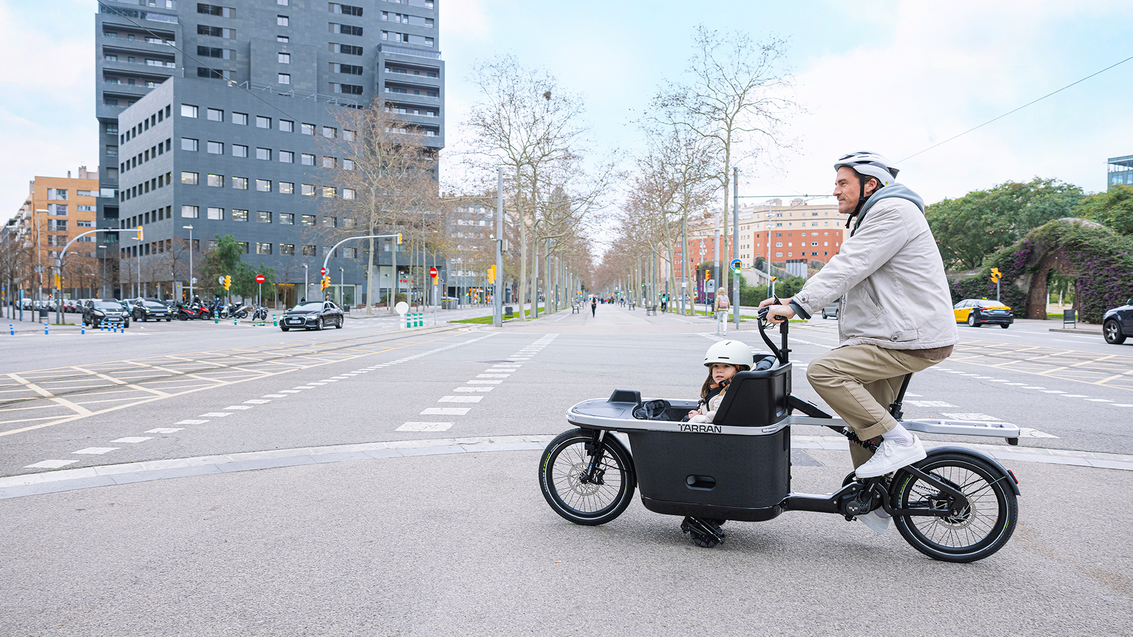
In contrast, the front-load cargo bike, often referred to as a "bakfiets" or "Long John", places the storage area between the handlebars and the front wheel. The rider sits further back, steering the front wheel via a linkage system or cables. That structural choice results in a much longer wheelbase, sometimes reaching up to 2.6 meters. That frame creates a large, open volume low to the ground, which fundamentally changes the center of gravity compared to rear-loading alternatives.
Steering Dynamics and Learning Curves
Steering a longtail bike feels familiar to anyone who has ridden a traditional bicycle. The direct connection between the handlebars and the fork means the steering remains intuitive and responsive. While the extra length at the back adds some weight, the bike behaves predictably during turns and maneuvers. For those transitioning from a standard e-bike, the longtail cargo bike offers the smallest hurdle in terms of skill acquisition.
The front cargo bike introduces a steeper learning curve. Because the front wheel sits far ahead of the handlebars, the steering often feels light or "twitchy" at first, similar to steering a long canoe or a wheelbarrow. At low speeds, such as exiting a garage or navigating a tight corner, the rider must account for the wide turning radius and the delay in steering response. However, once the bike reaches cruising speed, the design provides incredible stability and a "planted" feel that many riders find superior for long, straight stretches.
Weight Distribution and Stability
Stability is a product of where the weight sits relative to the ground. A front-load cargo bike keeps the bulk of the load—whether children, dogs, or heavy crates—very low to the asphalt. The low center of gravity prevents the bike from feeling top-heavy, even when packed to capacity. When stopped at a red light, the weight sits between the wheels, reducing the physical effort required to keep the bike upright.
Longtail designs place the cargo higher up, on top of or alongside the rear wheel. If carrying two heavy children or large panniers, the bike can feel "tail-heavy". Under hard acceleration or during slow-speed climbs, the front wheel might even feel light or lift slightly if the weight is not balanced correctly. To counter the effect, many manufacturers use smaller 20-inch wheels at the rear to lower the rack height and improve the center of gravity.
Comparative Technical Specifications
| Feature | Longtail Bike | Front-Loader Cargo Bike |
| Typical Length | 2.0 to 2.1 meters | 2.4 to 2.6 meters |
| Width | ~60-70 cm (Standard Handlebars) | 70-90 cm (Box dependent) |
| Cargo Position | Behind the rider | In front of the rider |
| Steering Linkage | Direct (Standard fork) | Cable or Rod Linkage |
| Wheel Sizes | Mixed (26/20) or Dual 20 | Mixed (20 front / 26 rear) |
| Weight | 30-40 kg | 50-70+ kg |
Interaction with Cargo and Passengers
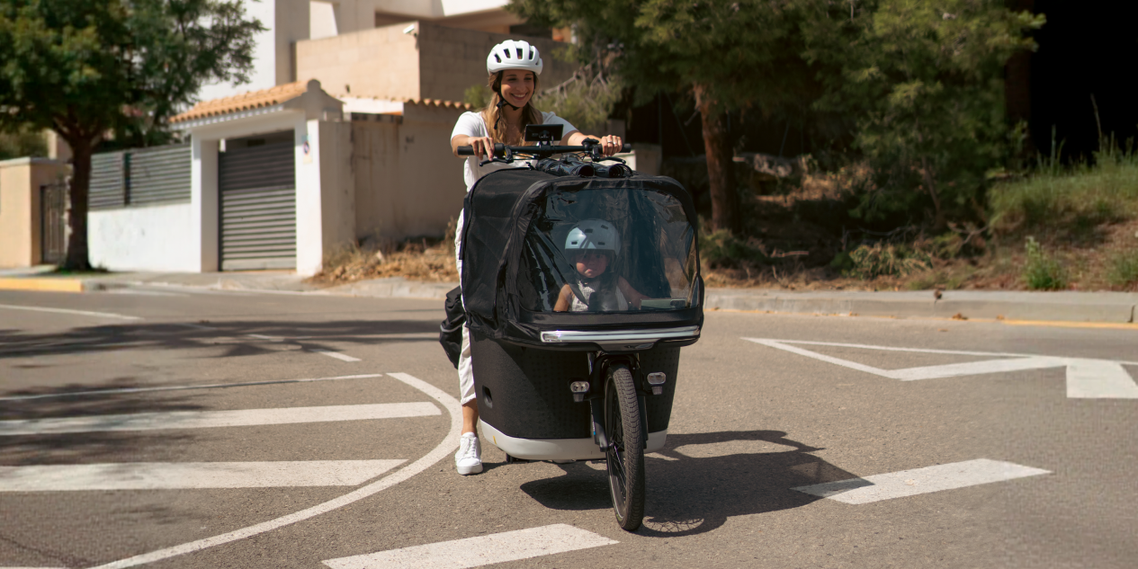
One of the most praised aspects of the front-load cargo bike is the ability to maintain eye contact with passengers. Parents can chat with their children, hand them snacks, or monitor a pet without turning their heads away from the road. That visibility provides significant peace of mind, especially when transporting infants in car seat adapters.
With a longtail bike, interaction requires more effort. The children sit behind the rider, making conversation difficult over wind noise and traffic. Parents cannot see if a child has fallen asleep or is fidgeting with a seatbelt without stopping or using mirrors. While the tandem-style seating is space-efficient, the lack of visual contact remains a deciding factor for families with very young children.
Long-Tail vs. Front-Loader Electric Cargo Bikes: Which Is a Better Fit for Your Needs
In countries like Germany, where urban density varies from the tight streets of Berlin to the hilly suburbs of Stuttgart, the choice often comes down to storage, passenger count, and the local infrastructure.
Family Size and Passenger Age
For families with more than two children, the front-load cargo bike often proves more capable. Many boxes can fit up to three or even four small children with the right bench configuration. Furthermore, the front box allows for the installation of infant car seats, enabling families to start cycling with babies as young as three months old.
The longtail bike is frequently the better choice for older children or even adult passengers. Because there is no box to grow out of, a child with long legs can sit comfortably on the rear rack for years. Most longtails support a total weight that allows for an adult to ride on the back, provided the frame and motor are strong enough. If the goal is a bike that stays in the family through the teenage years, the longtail design wins on longevity.
Living Situation and Storage Constraints
Storage is the most common hurdle for prospective buyers in European cities. A front-load cargo bike requires significant real estate. Because of the width and length, these bikes often do not fit in standard basement "Kellers" or narrow hallway entrances common in older German "Altbau" buildings. Owners usually need a garage, a secure courtyard, or a dedicated ground-level bike shed.
A longtail bike offers more flexibility. Since it is no wider than a standard bike, it can often be wheeled into an apartment with an elevator or parked in a communal bike room without blocking others. Some models even allow for vertical parking to save floor space, a feature that is impossible for front-loaders.
Navigating Urban Infrastructure and Terrain
German cities present a unique mix of modern bike lanes and historic challenges. Cobblestones (Kopfsteinpflaster) are common in city centers and can be brutal on cargo bikes. A front loader with full suspension can glide over these bumps, protecting both the rider and the cargo from jarring impacts. Without suspension, the long wheelbase of a front-loader can sometimes feel like it is vibrating through the entire frame.
Longtails are more nimble when navigating through "Fahrradstraßen" (bicycle streets) or avoiding the occasional delivery van blocking a lane. Their narrower profile makes them easier to handle on the shared paths found in many German municipalities. However, if the route involves many hills, the rider must prioritize a motor with high torque to handle the incline while loaded.

Advanced Technology and Smart Safety
Innovation is rapidly bridging the gap between traditional cycling and automotive-level safety. The TARRAN T1 Pro is a shift toward high-tech cargo solutions. Utilizing a mid-drive motor providing 100 Nm of torque, the bike tackles steep German hills without hesitation. A standout feature includes the Dynamic Dualdrive™ landing gear system, which deploys to provide instant balance at low speeds. Safety gets a boost from a rear radar that alerts riders to approaching vehicles, while the 5.2-inch touchscreen offers real-time navigation. Such features address common fears about stability and traffic safety, rendering the transition to a front-loader much smoother.
Economic Factors: Subsidies and Leasing in Germany
The financial cost of a high-quality electric cargo bike can be daunting, but Germany offers some of the best support systems in the world. Through the BAFA, businesses and associations can receive grants covering up to 25% of the purchase price. Private individuals often look to local city programs. For instance, Munich and Stuttgart have offered subsidies reaching over €1,000 for families purchasing an e-cargo bike.
| Subsidy Program | Coverage / Amount | Eligibility |
| BAFA (Federal) | up to €3,500 | Businesses, Freelancers, Municipalities |
| Munich (Regional) | Up to €1,000 | Private individuals & Families |
| Stuttgart (Regional) | Up to €1,100 | Families with Bonuscard |
| Vienna (Local) | Up to €1,000 | Individuals & Businesses |
| NRW (State) | up to €3,500 | Businesses in NRW |
Leasing via salary conversion (Gehaltsumwandlung) is another highly popular route in Germany. Companies like JobRad or Lease a Bike allow employees to pay for their bikes through their gross salary. Because the installments come out before tax, the effective cost to the employee can be 40% lower than a direct purchase. Such schemes usually include insurance and maintenance packages, providing a worry-free experience for the duration of the three-year lease.
Maintenance and Long-Term Durability
Maintaining an electric cargo bike involves more than just a standard bicycle check-up. The heavier loads put extra stress on tires, brakes, and the chain. High-quality hydraulic disc brakes are a necessity for stopping a 200 kg load safely on a downhill slope. Regular inspections of the motor and battery help preserve the longevity of the vehicle.
| Maintenance Task | Frequency | Estimated Cost (Germany) |
| Full Professional Service | Yearly | €100 - €300 |
| Brake Pad Replacement | Every 1,000 - 3,000 km | €20 - €50 |
| Chain Replacement | Every 1,500 - 2,500 km | €30 - €60 |
| Tire Pressure Check | Weekly | Free (DIY) |
| Battery Health Check | Quarterly | Free to €30 |
Benefits of Electric Cargo Bikes
Switching to an electric cargo bike brings a wide array of advantages that extend beyond mere transportation.
- Significant Cost Savings: Owning a car in a city involves insurance, fuel, parking fees, and expensive repairs. An electric cargo bike costs mere cents to charge and requires much less maintenance, potentially saving a family thousands of euros every year.
- Faster Urban Commutes: In many cities, cargo bikes are proven to be faster than vans or cars for short-distance trips. They can utilize bike lanes, take shortcuts through parks, and park directly in front of the destination.
- Environmental Impact: Every kilometer pedaled instead of driven reduces CO2 emissions and local air pollution. That contributes to quieter, cleaner, and more livable neighborhoods for everyone.
- Improved Health and Well-being: While the motor does much of the heavy lifting, the rider is still engaging in active movement. Daily cycling improves cardiovascular health and reduces stress levels by providing time outdoors.
- Versatile Hauling Power: Whether it is a trip to the DIY store for wood, a large grocery run, or taking the dog to the forest, these bikes handle bulky items that would never fit on a standard bicycle.
- Child Safety and Fun: Children often prefer riding in a cargo bike to sitting in the back of a car. They get a front-row seat to the world around them, and with modern five-point harnesses and reinforced frames, they remain highly secure.
Choose Your Cargo E-Bike
The choice between a longtail and a front-loader depends on the specific space available and the ages of the passengers. Front-loaders offer unmatched visibility and infant support, while longtails provide agility and longevity for older kids. In Germany, generous subsidies and leasing options make the transition affordable. These powerful vehicles replace cars, save money, and turn the daily school run into an enjoyable outdoor adventure for the whole family.

Leave a comment
This site is protected by hCaptcha and the hCaptcha Privacy Policy and Terms of Service apply.