

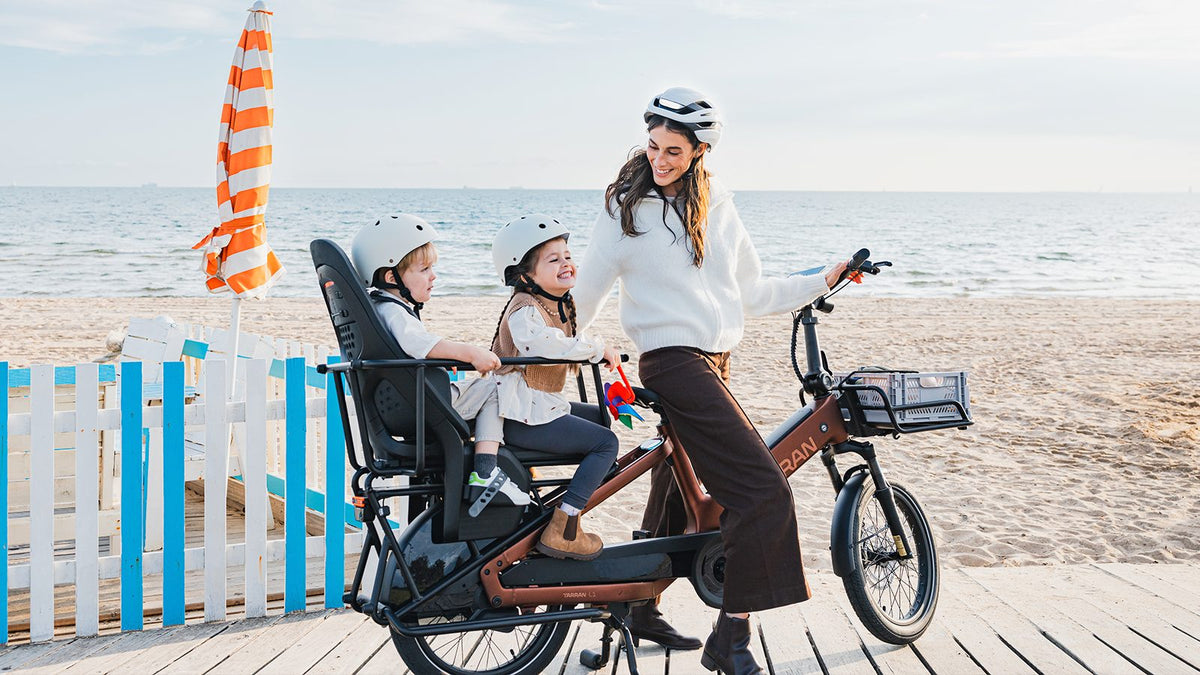
Modern cities are pulsing with new energy as cargo bikes glide through narrow streets. Transporting heavy loads no longer requires a noisy delivery van or a massive engine. Instead, a few wheels and intelligent engineering now take on the job. It is a quiet revolution that is changing how goods move through cobblestone streets and local neighborhoods.
Defining the Weight Limits of a Cargo Bike
The technical foundation of every cargo bike lies in its gross vehicle weight rating (GVWR). This value refers to the maximum permitted weight, including the bike, rider, and cargo. Understanding these limits is essential for mechanical durability and road safety. Most high-quality models in Europe comply with the DIN 79010 standard, which provides a strict framework for testing structural load limits under weight. A manufacturer calculates the permitted gross weight based on the weakest link in the system, such as the tires, spokes, or frame itself. Exceeding these limits can lead to mechanical failure and impair the rider’s ability to control the vehicle during sudden maneuvers.
Structural Integrity and Material Fatigue
A frame is exposed to enormous forces when transporting heavy loads. Manufacturers often use 6061 aluminum or chromoly steel to withstand these stresses. Aluminum offers low weight, while chromoly steel provides natural flexibility that absorbs road vibrations. Every bump transfers energy through the tubes. If the weight exceeds the designed capacity, microcracks can form over time. Building a robust chassis requires thicker tube walls and reinforced gussets at high-stress joints such as the head tube and bottom bracket. These reinforcements prevent the frame from twisting under heavy loads and preserve the geometric alignment needed for predictable steering behavior.
| Component | Impact on Load | Common Risk Factor |
| Rear Hub | Carries up to 70% of the total weight | Bearing collapse or bent axle |
| Spokes | Distribute tension across the rim | Breakage during sudden impact |
| Fork | Handles steering and braking loads | Torsional twisting or cracking |
| Kickstand | Supports the static load during loading | Leg buckling or mounting point shear |
Wheel and Tire Specifications
Wheels are the primary contact points between any cargo bike and the ground. Standard bicycles often have 32 spokes, but heavy-duty models frequently feature 36 or even 48 spokes. This high spoke count distributes the load more effectively. Tire technology is equally important. Reinforced sidewalls and specialized rubber compounds allow tires to handle high pressure without failure. High-volume tires create a larger contact patch, improving grip when the electric cargo bike is fully loaded. Proper tire pressure protects the rim from impact damage, because a fully loaded bike hitting a pothole generates enormous vertical forces.
Brake System Performance
Bringing a 200 kg vehicle to a stop requires the dissipation of significant energy. Standard brakes are not built for this kind of task. Modern systems use hydraulic disc brakes with oversized rotors, often 203 mm or larger. These systems provide the modulation needed to prevent brake fade during long descents. The weight limit often reflects the bike’s ability to stop safely rather than merely the stability of the frame. During prolonged braking, heat management becomes a priority, as excessive heat can cause a loss of braking power. Cargo-bike-specific brakes often feature thicker pads and heat-dissipating cooling fins to keep the system cool.
The Role of High-Torque Motors in an Electric Cargo Bike
Moving a large load requires substantial rotational force. An electric cargo bike relies on high torque, measured in Newton meters (Nm), to overcome inertia. High torque enables smooth acceleration from a standstill, even on steep climbs or under maximum load. Without sufficient torque, a rider would struggle to get moving, which could cause wobbling and instability at low speeds. High-torque systems allow the motor to handle the heavy work, preserving the rider’s energy for the journey ahead.
Mid-Drive Motor Dynamics Compared with Hub Motors
Mid-drive motors dominate the heavy transport segment. These motors are positioned at the bottom bracket and drive the chain or belt. By using the bike’s internal gears, the motor can maintain high RPM even at low riding speeds. This configuration maximizes efficiency and prevents overheating on demanding climbs. Hub motors, on the other hand, drive the wheel directly. Although hub motors are simpler in design and require less maintenance for the chain or drivetrain, they often lack the leverage needed for extremely heavy loads on hills. Mid-drive systems use the mechanical advantage of the drivetrain, allowing the motor to deliver more effective power in a low gear.
| Motor Specification | Typical Value | Effect on Performance |
| Rated Torque | 85 Nm – 100 Nm | Overcomes static friction with ease |
| Peak Power | 600 W – 1000 W | Provides extra boost during acceleration |
| Voltage | 36 V or 48 V | Higher voltage reduces thermal stress |
| Sensor Type | Torque & Speed | Delivers power in response to rider input |
Thermal Management and Efficiency
Heat is one of the biggest challenges for electric motors. When a motor operates at peak power for extended periods, internal temperatures rise. Advanced controllers monitor these values and can reduce output to protect the electronics. High-quality motors feature cooling fins and advanced thermal pathways for heat dissipation. This engineering enables consistent performance in hilly city centers across Germany and Austria. Efficient motors also protect the battery, as less energy is lost as heat. With better thermal design, a motor can maintain its maximum torque throughout a steep climb without triggering a safety shutdown.
Commercial and Private Uses of Cargo Bikes
The versatility of the cargo bike allows it to be used in many different areas. From professional logistics to family outings, its applications continue to expand across European city centers.
Last-Mile Delivery and Urban Logistics
Commercial businesses see the cargo bike as a solution to urban traffic congestion. Large delivery vans often struggle with traffic jams and limited parking. A cargo bike can use bike lanes and park directly at the delivery location. Logistics companies in Berlin and Munich report faster delivery times and lower operating costs. This efficiency comes from the ability to bypass conventional traffic bottlenecks. Companies also benefit from a positive brand image, as quiet and emission-free deliveries align with modern sustainability goals. In addition, the lower insurance and maintenance costs of a bicycle fleet improve the economics for both small and large businesses.
Family Transport and School Runs
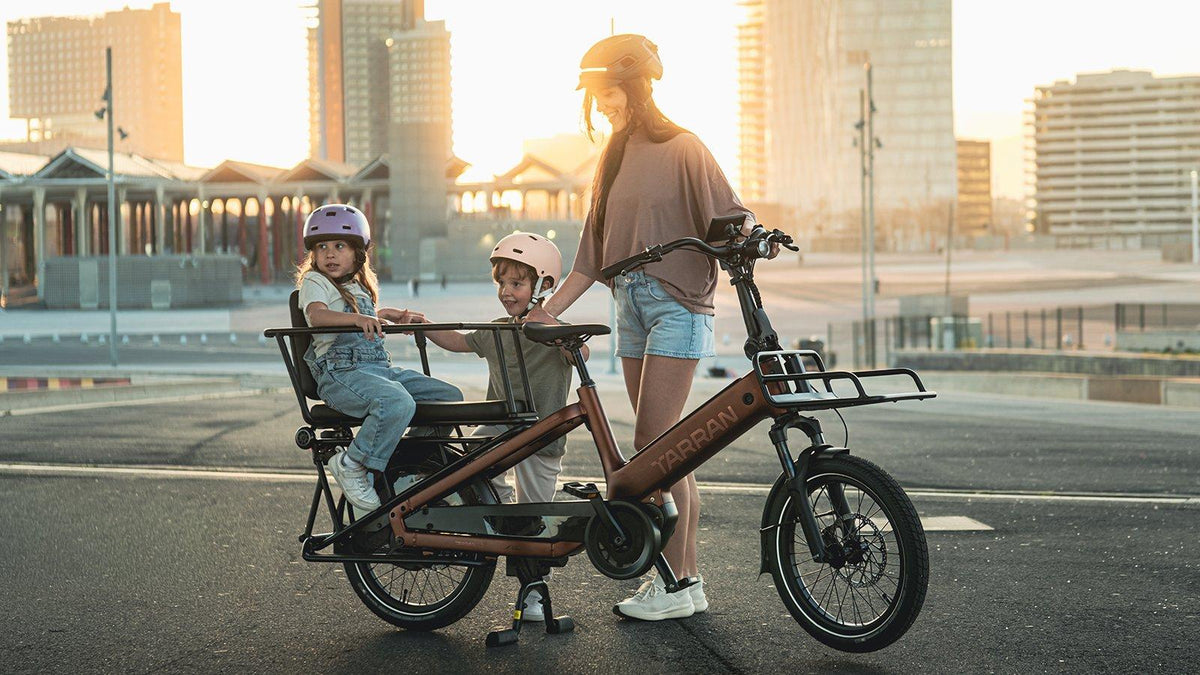
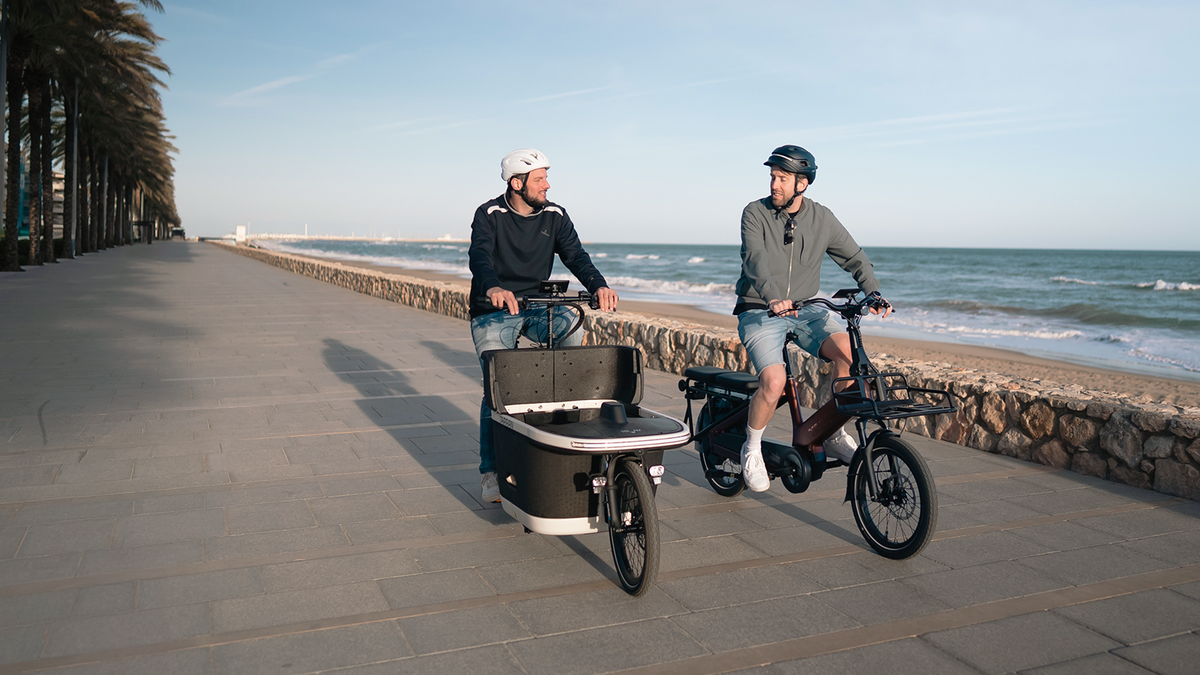
For many families, the electric cargo bike serves as a primary car replacement. Taking children to school or picking up heavy groceries becomes an enjoyable activity. Front-loader models allow parents to keep an eye on their children, creating a sense of security. The ability to carry three children plus bags makes these bikes a powerful tool in everyday family life. Parents appreciate the physical activity and the ability to travel door to door without searching for parking. In European cities with high-quality cycling infrastructure, families often find that a bike is faster than a car for short trips.
Municipal Services and Skilled Trades
Plumbers, electricians, and park maintenance teams are increasingly using cargo bikes in their daily work. Transporting tools in a secure, lockable box allows these professionals to work in pedestrian zones without special permits. Low noise levels and zero emissions make them ideal for early-morning work in residential areas. Many tradespeople find that a cargo bike allows them to reach job sites in congested areas that would otherwise be inaccessible to large service vehicles. Municipalities also use these bikes for waste collection and the maintenance of urban green spaces, reducing the presence of heavy trucks in city parks.
Tips for Riding a Fully Loaded Cargo Bike
Riding a loaded cargo bike requires an adjustment in riding style. The additional weight changes the physics of every maneuver.
- Place the heaviest items at the lowest point of the cargo area.
- Distribute the weight evenly between the left and right sides.
- Plan braking much earlier than you would on a standard bicycle.
- Use a low gear when starting to support the motor.
- Keep a firm grip on the handlebars to counteract front-wheel tipping.
- Look ahead to spot turns early and avoid sudden corrections.
- Avoid riding over high curbs or deep potholes when fully loaded.
- Practice slow turns in a safe area before riding in traffic.
- Maintain a steady cadence so the sensors can respond accurately.
- Check before setting off that the kickstand is fully folded up.
- Lean slightly into corners while maintaining a constant speed.
- Account for the longer length when overtaking other cyclists or passing through narrow spaces.
Why Choose an Electric Cargo Bike?
Choosing an electric cargo bike reflects a commitment to a modern, sustainable lifestyle. Transporting large loads without the cost of a car is revolutionary. Cities across Europe now offer better infrastructure and dedicated parking options for these vehicles. These bikes provide the freedom to move through the city on your own terms while avoiding traffic stress and fuel costs. The combination of health benefits and environmental protection makes this a logical choice for the modern urban resident.
The TARRAN T1 Pro represents intelligent design at the highest level. This model features a proprietary landing gear system that provides instant balance when stopping. With a motor delivering a massive 100 Nm of torque and a total capacity of 220 kg, it handles heavy loads with ease. Visit TARRAN and see how intelligent features such as rear radar and dual cameras transform the riding experience. The integration of these advanced technologies makes switching from a car to a cargo bike effortless for every user.

Reducing dependence on traditional vehicles saves thousands of euros in insurance, taxes, and maintenance. As technology advances, electric cargo bikes will only become more capable. The shift toward these vehicles is a logical evolution of urban transport that benefits everyone. As government incentives increase across the European Union, there has never been a better time to invest in a cargo bike.
Summary
Safely handling heavy loads on a cargo bike requires an understanding of mechanical limits and riding physics. High-torque motors and rigid frames form the foundation for success. Whether for commercial deliveries or family errands, the cargo bike offers an efficient way to travel and transport goods. Using this technology promotes cleaner cities and a healthier lifestyle. The future of urban mobility lies in the power and versatility of the modern cargo bike.

Leave a comment
This site is protected by hCaptcha and the hCaptcha Privacy Policy and Terms of Service apply.