

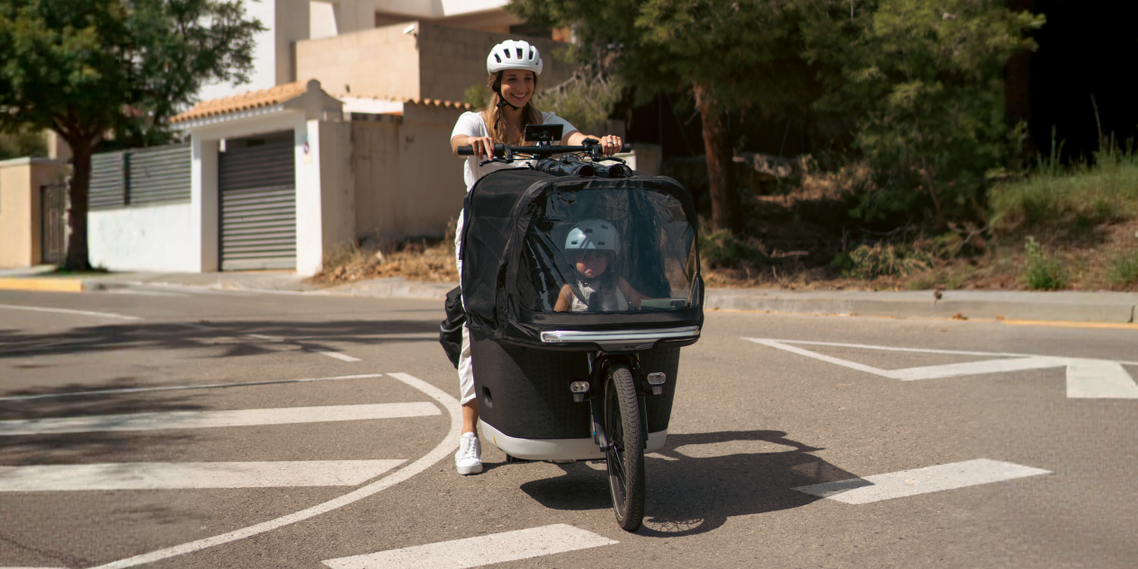
Urban straten in heel Duitsland veranderen snel. Gezinnen en bedrijven ruilen vier wielen in voor twee en ontdekken de vrijheid van de elektrische bakfiets. Of je nu drie kinderen naar de kleuterschool in Hamburg vervoert of zware pakketten door Berlijn sleept, het kiezen van de juiste machine vereist dat je je een weg baant door een complex landschap van specificaties. Een voertuig vinden dat perfect aansluit bij een specifieke levensstijl vraagt om een zorgvuldige afweging van ontwerp, vermogen en veiligheidsvoorzieningen.
Wat ga je vervoeren? Bepaal je vrachtbehoeften
Voordat men technische details onderzoekt, moet men de primaire missie definiëren. Een familiebakfiets de nadruk legt op het welzijn en de interactie van passagiers. Ouders geven vaak de voorkeur aan configuraties waarbij kinderen comfortabel voorin zitten, zodat gemakkelijk een gesprek kan worden gevoerd. Veilig vijfpuntsgordels en regenbescherming worden niet-onderhandelbare noodzaakjes voor het vervoeren van kostbare kleintjes.
Voor bezorging met bakfiets of het vervoeren van gereedschap, verschuift de focus naar veelzijdigheid in laadvermogen. Laadvlakken met bevestigingspunten of afsluitbare, weerbestendige boxen zijn essentieel. Door deze eisen vroeg te bepalen, kun je de markt effectief filteren. Een vlakke woon-werkroute vraagt om andere capaciteiten dan het navigeren van steile heuvels. Als je de dagelijkse lading kent, bepaal je het benodigde vermogen en de structurele sterkte van het toekomstige voertuig.
Finding van de juiste stijl elektrische bakfiets voor jou
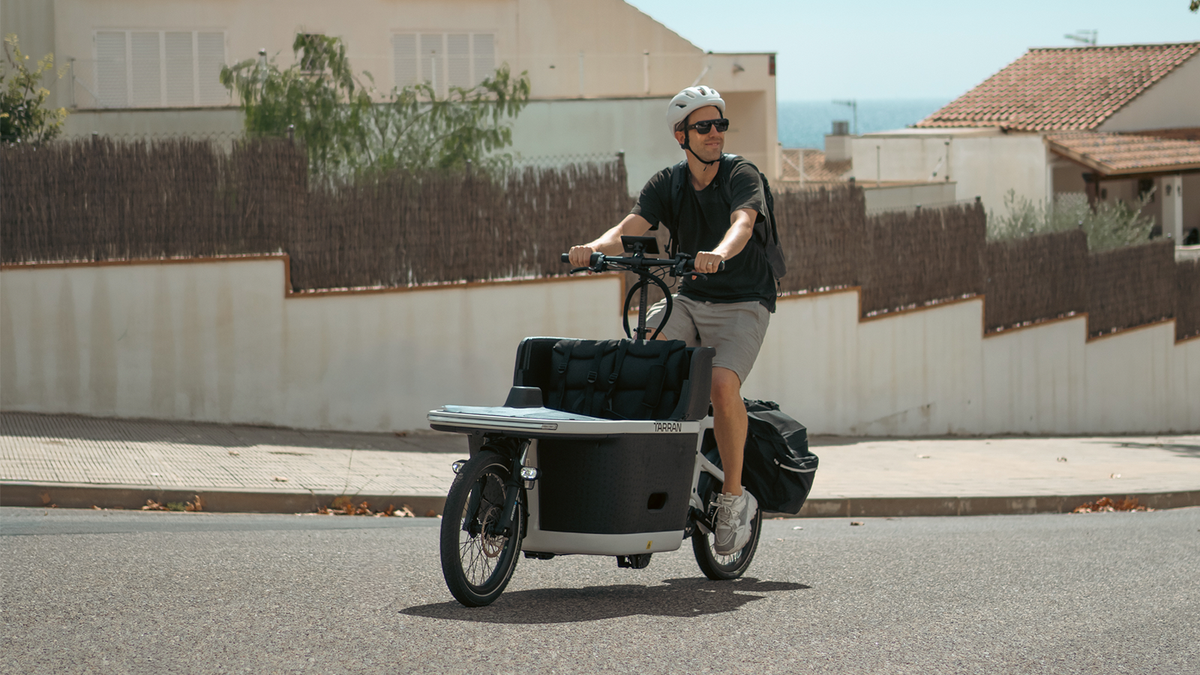
Bakfietsontwerp valt over het algemeen in twee duidelijke categorieën uiteen: longtails en front loaders. Longtails verlengen de achterdrager achter de berijder. Dergelijke frames rijden opmerkelijk vergelijkbaar met standaardfietsen en bieden een vertrouwde rijervaring die beginners vaak waarderen. Ze manoeuvreren moeiteloos door smalle fietspaden en passen in standaardparkeerplaatsen. Oudere kinderen die zich aan handgrepen kunnen vasthouden, geven vaak de voorkeur aan de achterbank.
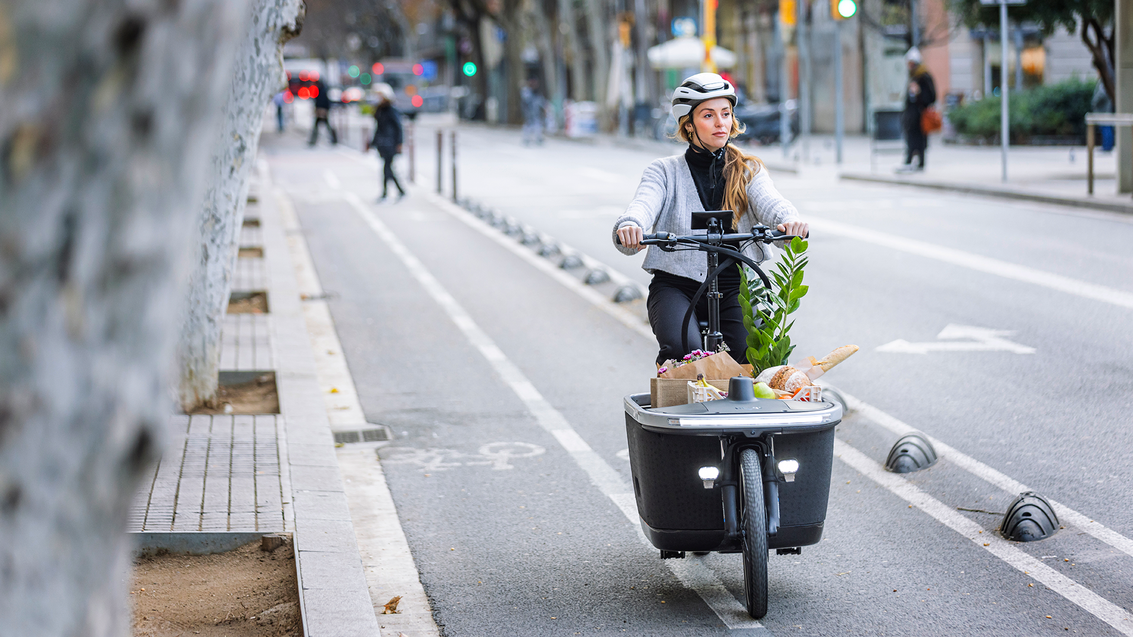
Frontladers, vaak Long Johns genoemd, hebben een laadruimte die laag is geplaatst tussen de rijder en het voorwiel. Zo'n configuratie verlaagt het zwaartepunt en biedt superieure stabiliteit bij het vervoeren van zware boodschappen of jonge kinderen. De passagiers in het oog houden geeft een gerust gevoel. Hoewel de stuurkoppeling een korte gewenningsperiode vereist, is de capaciteit voor volumineuze items vaak ongeëvenaard.
De kracht achter de rit begrijpen: motoren en prestaties
Het omhoog vervoeren van zware ladingen vraagt om aanzienlijk vermogen. Naafmotoren, die zich in het wiel bevinden, bieden een eenvoudige oplossing, maar hebben het onder belasting vaak moeilijk op steile hellingen. Middenmotoren, geplaatst bij de trapas, maken gebruik van de versnellingen van de fiets om efficiënt te klimmen. Een motor met een hoog koppel wordt aanbevolen voor zware taken om stilvallen op hellingen te voorkomen.
De TARRAN T1 Pro ` 100Nm een middenmotor die ontworpen is om zware lasten moeiteloos aan te kunnen. Het systeem levert een nominaal continu vermogen van 250W en piekt op 750W, wat ruim voldoende vermogen biedt voor soepele acceleratie, zelfs wanneer hij volledig beladen is.
Hoe Ver Kun Je Gaan? De Batterijduur en Actieradius Evalueren
Batterijcapaciteit accucapaciteit bepaalt de vrijheid. Een 500Wh-eenheid kan volstaan voor korte ritten in de stad, maar een dubbel accusysteem Het kiezen voor 1000Wh of meer neemt actieradiusangst weg. Koude Duitse winters kunnen de prestaties van de accu verminderen, dus kiezen voor extra capaciteit is een verstandige investering. Slimme systemen maken nu een schatting van de actieradius mogelijk op basis van belasting en topografie, waardoor rijders hun ritten nauwkeurig kunnen plannen.
Voor wie een groter bereik nodig heeft, de TARRAN T1 Pro biedt een overtuigende oplossing. Het ondersteunt een dubbel batterijsysteem dat tot wel 200 km op één enkele lading. De belangrijkste 708Wh de accu is uitneembaar en naadloos geïntegreerd in het frame, zodat lange familieavonturen mogelijk zijn zonder de angst dat de stroom opraakt.
Prioriteit geven aan geavanceerde veiligheids- en stabiliteitsfuncties
Veiligheid van bakfietsen Het blijft de belangrijkste overweging. Met bruto voertuiggewichten die vaak meer dan 200 kilogram bedragen, is remkracht cruciaal. Hydraulische schijfremmen zijn de industriestandaard en bieden betrouwbare modulatie in natte omstandigheden. Grote rotors voeren warmte effectief af tijdens lange afdalingen. Verlichting mag geen bijzaak zijn; geïntegreerde verlichting die via de hoofdbatterij wordt gevoed, garandeert zichtbaarheid.
Stabiliteit bij lage snelheden is vaak een punt van zorg voor nieuwe rijders. De TARRAN T1 Pro addresses that challenge with its proprietary Dynamisch Dualdrive™ Landingsstel. Het landingsgestel wordt automatisch uitgeklapt bij lage snelheden om het evenwicht te bewaren en wordt ingetrokken zodra de rit stabiel is. Het fungeert ook als een elektrische standaard, waardoor de fiets niet omvalt wanneer hij stilstaat of geparkeerd staat.
Een comfortabele en ergonomische rit voor dagelijks gebruik garanderen
Een voertuig dat tussen partners wordt gedeeld, moet snel kunnen worden aangepast. Zadelpennen met dropper en zonder gereedschap verstelbare stuurpennen zorgen ervoor dat rijders met verschillende lengtes in enkele seconden een comfortabele positie kunnen vinden. Vering wordt cruciaal bij het vervoeren van gevoelige lading of slapende peuters. Voorvorken met vering vlakken kasseien af, terwijl zadelpenvering de rijder isoleert van trillingen van de weg.
Comfort geldt ook voor de passagiers. Kwalitatieve zitplaatsen met schokabsorptie houden kinderen tevreden tijdens langere ritten. Een soepele rit stimuleert dagelijks gebruik en verandert een eenvoudige verplaatsing in een aangenaam familieritueel. Wanneer ouders en kinderen zich comfortabel voelen, blijft de auto vaker in de garage.

Drivetrain Deep Dive: Onderhoudsarme riem vs traditionele ketting
Traditionele kettingen vereisen regelmatige reiniging en smering, vooral in winterse omstandigheden met veel vuil. Riemaandrijvingen bieden een schoner, stiller en onderhoudsarmer alternatief. Dergelijke riemen roesten niet en kunnen aanzienlijk langer meegaan dan een ketting. Ze nemen het risico op vetvlekken op kleding weg, een klein maar belangrijk voordeel voor dagelijkse forenzen.
Pairing van een riemaandrijving met een interne versnellingsnaaf zorgt voor een duurzame aandrijflijn. Met zulke systemen kun je schakelen terwijl je stilstaat — een enorm voordeel als je onverwacht moet remmen voor een verkeerslicht met een zware lading.
The TARRAN T1 Pro maakt gebruik van het premium Gates Carbon Drive CDX™ gecombineerd met een Enviolo Heavy Duty-naaf. Die combinatie zorgt voor een soepele, traploze schakelervaring die minimaal onderhoud vereist. Het garandeert een stille rit en langdurige duurzaamheid, perfect voor de eisen van dagelijks stedelijk vervoer.
Verkenning van slimme technologie en connectiviteit in moderne bakfietsen
Moderne fietsen integreren technologie om de gebruikservaring te verbeteren. GPS-tracking biedt diefstalherstelmogelijkheden, terwijl app-integratie aanpassing van de rit mogelijk maakt. Elektronische framesloten die het wiel met één druk op de knop vergrendelen, zorgen voor extra gemak bij korte stops.
Innovatie herdefinieert gebruikersinteractie. De TARRAN T1 Pro beschikt over een 5.2-inch Retina-touchscreen met TarranOS. Het integreert drie camera's en radar om de omgeving te monitoren, en biedt Bewakingsmodus voor antidiefstalbeveiliging en realtime videobeelden van passagiers. Gebruikers kunnen rijgegevens bekijken en slimme verlichting rechtstreeks vanaf het stuur bedienen.
Budgetteren voor je investering in een elektrische cargofiets
De initiële prijs van een kwalitatieve elektrische bakfiets De kosten kunnen aanzienlijk zijn. De operationele kosten zijn echter minimaal vergeleken met een auto. Onderhoud, elektriciteit en verzekering zijn een fractie van de kosten van een auto. Investeren in kwaliteitsonderdelen vooraf verlaagt de servicekosten op de lange termijn.
In Duitsland bieden leaseconstructies aanzienlijke besparingen. Werknemers leasen een fiets via hun werkgever en betalen via salariskortingen vóór belasting. Dergelijke regelingen kunnen een aanzienlijk percentage besparen in vergelijking met een rechtstreekse aankoop. Het onderzoeken van lokale subsidieprogramma's in steden en deelstaten kan een premiummodel ook veel toegankelijker maken.
Waarom een proefrit een onmisbare stap is
Een proefrit is de enige manier om het rijgedrag te beoordelen. Een lege bakfiets gedraagt zich anders dan een beladen exemplaar. Door de bak tijdens de proefrit te beladen met zandzakken of een bereidwillige passagier, komt het ware karakter van de fiets naar voren. Zo kan de rijder voelen hoe de motor op hellingen aangrijpt en hoe de remmen onder belasting presteren.
Making the Slimme Keuze voor uw Nieuwe Elektrische Bakfiets
Het kiezen van het juiste voertuig verandert stedelijke mobiliteit. Het maakt van stressvolle woon-werkritten momenten van plezier. Let op veiligheid, stabiliteit en een aandrijfsysteem dat past bij het lokale terrein. Een goed gekozen fiets wordt een onmisbaar onderdeel van het gezin.
Veelgestelde vragen
Q1. Wat is het belangrijkste verschil tussen longtail- en frontloaderfietsen?
Longtails vervoeren bagage op een verlengde achterdrager en rijden als standaardfietsen. Bakfietsen met voorlading hebben een bak tussen de berijder en het voorwiel, wat zorgt voor een lager zwaartepunt en een beter zicht op kinderen.
Q2. Hoeveel koppel heb ik nodig voor heuvels?
Voor vlakke steden is 50Nm tot 60Nm vaak voldoende. Als de route echter steile heuvels of zware ladingen omvat, wordt een motor met ten minste 85Nm tot 100Nm sterk aanbevolen om efficiënt te klimmen zonder stil te vallen.
V3. Zijn riemaandrijvingen beter dan kettingen?
Riemaandrijvingen zijn schoner, stiller en vereisen veel minder onderhoud dan kettingen. Ze roesten niet en hoeven niet gesmeerd te worden. Hoewel de aanschafkosten hoger zijn, rechtvaardigen de lange levensduur en het ontbreken van onderhoud voor dagelijkse fietsers meestal de investering.
Q4. Kan ik mijn accu in de winter op de fiets laten zitten?
Het is het beste om de batterij binnen te brengen wanneer de temperatuur onder het vriespunt daalt. Kou beïnvloedt het bereik en de prestaties. De batterij bewaren en opladen bij kamertemperatuur beschermt de gezondheid en levensduur ervan.
V5. Heb ik een speciale verzekering nodig?
Een standaard fietsverzekering dekt mogelijk niet de volledige waarde van een premium bakfiets. Een gespecialiseerde e-bikeverzekering of het toevoegen van de fiets aan de inboedelverzekering is verstandig. Sommige polissen dekken ook diefstal, schade en pechhulp.

Laat een reactie achter
Deze site wordt beschermd door hCaptcha en het privacybeleid en de servicevoorwaarden van hCaptcha zijn van toepassing.